
A gutter system does not fail in one moment. It changes performance in small stages that usually go unnoticed until water starts behaving unpredictably during rain. In most homes, the first sign is not overflow. It is inconsistent. One section drains normally, another section slows down, and water starts choosing uneven paths along the roof edge. This shift is usually where long-term drainage issues begin. Gutter cleaning is the process of correcting this uneven movement pattern. It is not limited to removing physical material. It is about re-establishing how water is distributed and discharged across the entire roofline system.
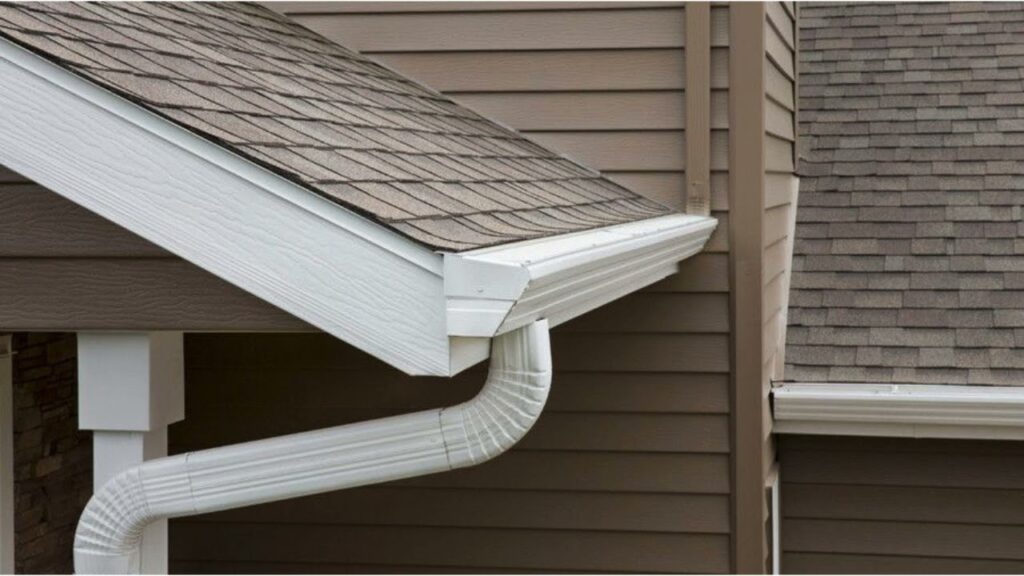
A gutter system can appear physically clear and still perform poorly. This happens when internal flow resistance starts building inside corners, joints, or slope transition points.
At this stage, water does not stop completely. It loses consistency. Some sections carry higher volume while others reduce activity. This imbalance creates pressure variation across the system.
Most overflow situations originate from this phase rather than full blockage. The system is technically still open, but it is no longer balanced.
Inside a gutter channel, water does not move as a single stream. It moves in layers based on slope, entry pressure, and internal surface conditions.
When debris begins to settle, it alters these layers. Water starts separating into uneven flow channels instead of a unified movement path. This separation reduces discharge efficiency even if only partial buildup exists.
Downspouts then receive inconsistent flow input, which further reduces their ability to clear incoming water at a stable rate. This is why small internal changes can create large visible effects during rainfall.

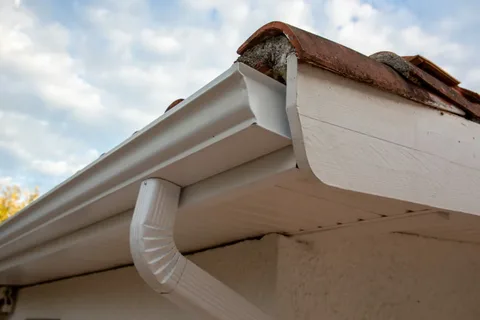
Recurring gutter problems are usually not random. They form where three conditions overlap: reduced slope efficiency, material accumulation zones, and entry-point concentration of debris. Corners are especially sensitive because water loses momentum when direction changes. If even small buildup exists in these areas, it accelerates internal slowdown. Another common repeat zone is the section directly above downspout entry points. Here, water pressure is highest, and any restriction creates upstream backup faster than other areas. These patterns explain why cleaning without understanding accumulation zones leads to repeated issues in the same spots.
Exterior drainage systems in Philadelphia operate under repeated environmental loading cycles. Tree coverage introduces organic material during multiple seasons rather than a single period. Wind activity redistributes debris across roof surfaces, which creates uneven entry into gutter channels.
Rainfall intensity variations also affect how quickly systems move from low-flow to high-flow states. When a system already has internal resistance, these transitions expose weak points in discharge timing. Over time, these conditions shape how each property’s drainage system behaves differently, even in similar neighborhoods.

Cleaning does not only remove material. It resets movement balance inside the system.After cleaning, water should no longer divide into uneven internal paths. Flow should remain continuous from entry point to downspout exit without hesitation points forming inside channels.
The key correction is not visual clearance. It is the removal of resistance points that were changing how water distributed itself during movement.When balance is restored, the system stops reacting differently to each rainfall event and returns to predictable discharge behavior.
System imbalance often appears before visible overflow. One early indicator is delayed water response during rainfall. Water reaches the gutter but does not exit at expected speed. Another indicator is inconsistent discharge strength between multiple downspouts on the same property. This suggests uneven internal distribution rather than complete blockage. Surface staining under gutter lines can also appear without obvious debris buildup, which indicates internal overflow paths forming inside the system. These signs show that the system is no longer operating as a unified drainage structure.


The cleaning process focuses on restoring continuous movement through the entire drainage path rather than addressing isolated sections.
Each section of the gutter system is treated as part of a connected flow network.
Attention is given to how water enters, transitions, and exits across multiple points rather than only clearing visible buildup.
The objective is to bring the system back to stable discharge behavior under normal rainfall conditions in Pennsauken environments.
Not sure what your project will cost? Tell us your surface type and we’ll give you a fast, no-obligation pressure washing estimate in philadelphia PA — usually within hours. No pushy calls, no surprise fees.
Because performance depends on internal flow consistency, not just visible debris. Partial internal restriction can change how water moves long before full blockage appears.
Uneven flow usually develops when certain sections develop resistance points due to accumulation or slope transition behavior.
Yes. Even light buildup in key zones like corners or downspout entries can alter system balance and reduce efficiency.
Because accumulation follows predictable zones based on roof design, water entry points, and slope behavior rather than random distribution.
Water should enter and exit at a consistent rate across all sections without delays, backup points, or uneven discharge between outlets.